


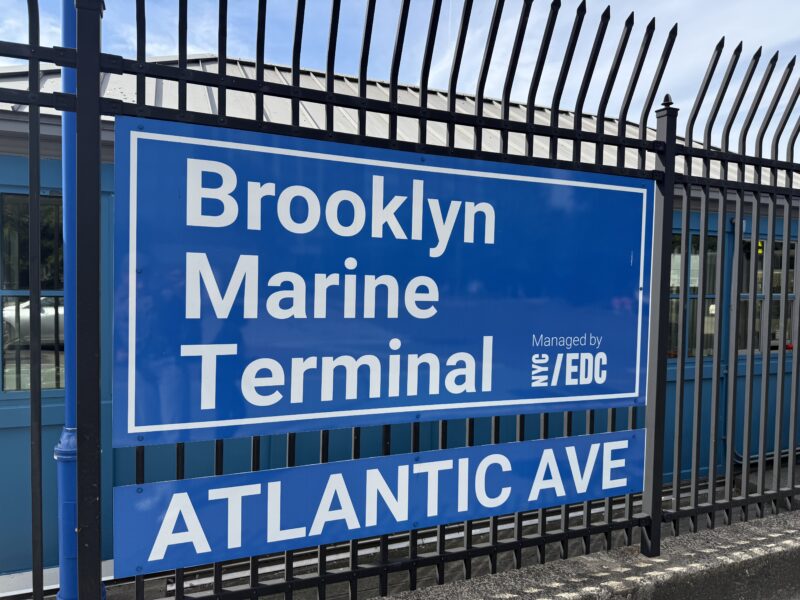
After months of delays, a vote on the Brooklyn Marine Terminal’s redevelopment plan has won approval from a 28-member task force. The plan will transform the 122-acre waterfront site from Pier 7 at Atlantic Avenue to Pier 12 in Red Hook into a modern port, with housing, parks, public spaces, a hotel, and more.
Recent changes to the NYCEDC’s vision plan swayed two key holdouts—Borough President Antonio Reynoso and Councilmember Shahana Hanif, who had previously withheld their support. Among the amendments are more funding for affordable housing and input from the maritime industry to determine how exactly the new port will operate.
The next step will be the creation of a General Project Plan (GPP)—a process that includes environmental review and changing the land use for the site. Construction will not begin for several years.
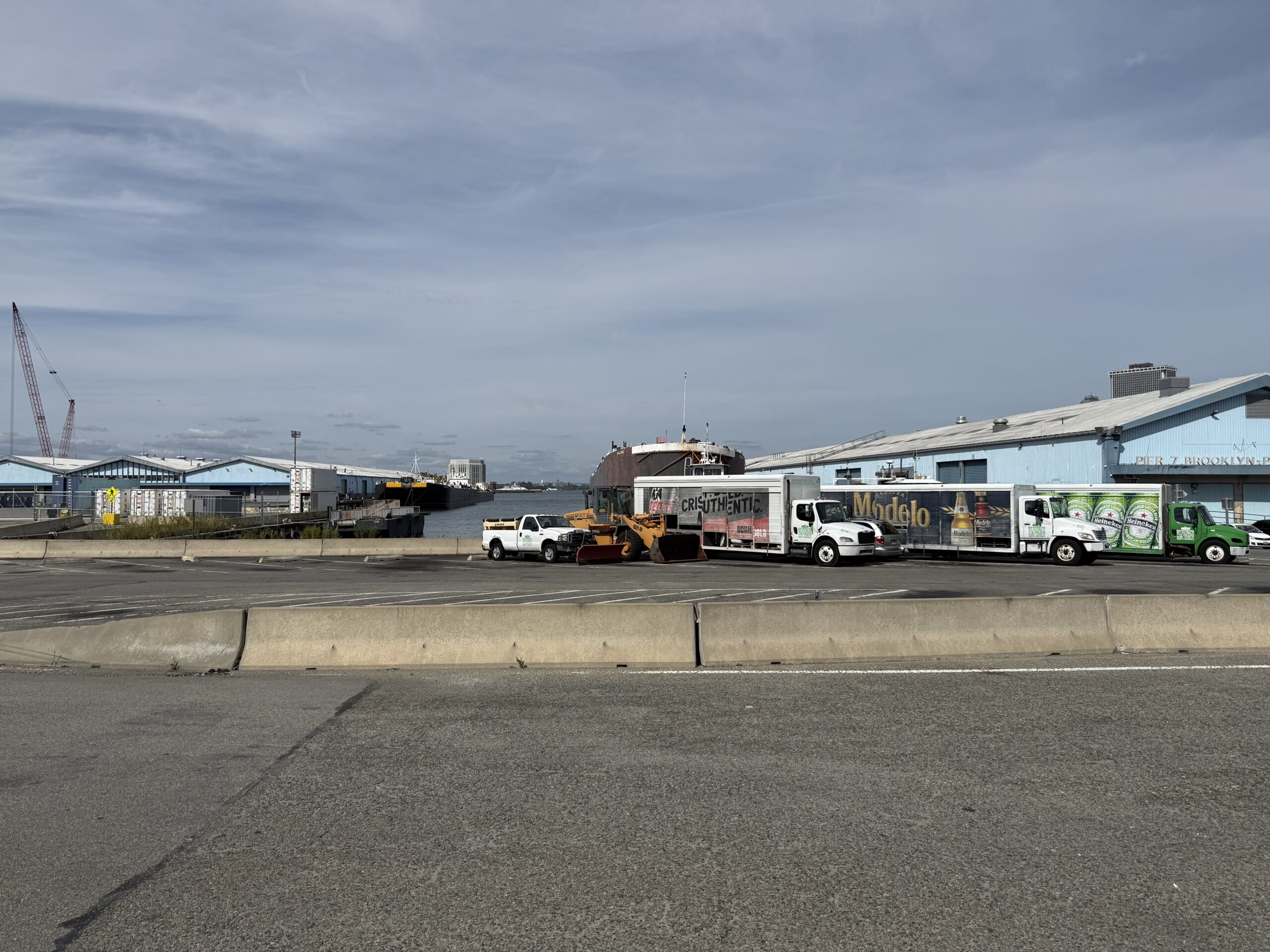
What’s in the BMT vision plan?
The $3.5 billion proposal envisions a modernized port alongside a mixed-use development that will reshape the waterfront. The plan includes:
- A 60-acre modern, all-electric port.
- 6,000 new apartments, with at least 40% (2,400 units) permanently affordable.
- $200 million for NYCHA Red Hook Houses East and Red Hook Houses West, plus $75 million for affordable housing preservation in Community Board 6.
- 28+ acres of new public open space, including a new waterfront park next to Brooklyn Bridge Park, 1.7 acres at Degraw & Columbia, and 6 acres at the Cruise Terminal.
- A mile-long greenway linking Brooklyn Bridge Park to Atlantic Basin.
- A new traffic and transit plan to improve pedestrian paths, bus routes, and ferries, plus solutions to cut down on truck use.
- A new Brooklyn Cruise Terminal with public open space and a 400-room hotel.
- Coastal protection measures to guard against sea-level rise and climate change.
The full BMT Vision Plan can be found here.
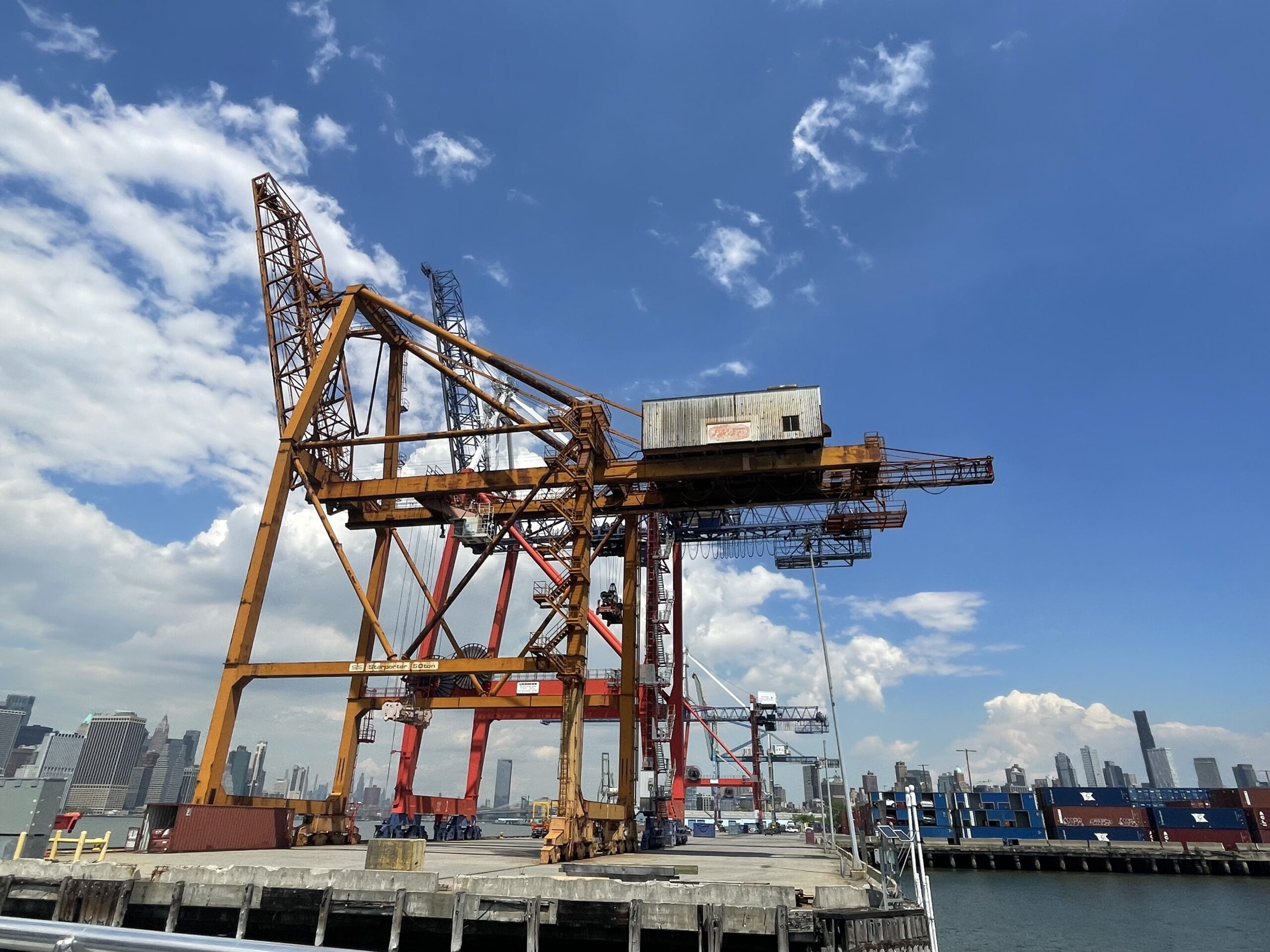
Opposition to the BMT plan
Despite revisions, the plan has still faced opposition by local neighborhood groups. Critics say the NYCEDC will bring too much private development and luxury housing to Red Hook’s working waterfront. There are also concerns of creating thousands of new housing units in a flood-prone area without subway access, and whether public infrastructure like schools, sewers, and transit can handle the growth.
The NYCEDC maintains that new housing, retail, and a hotel are essential to fill a funding gap for port upgrades—even after securing $164 million in federal funds and $95 million in city and state support.
Do you want all local parenting news in your inbox? Sign-up for our weekly newsletter now!
Updated: September 22, 2025.